Real Estate Law in Norwell: What You Need to Know Before Buying or Selling
JS
When diving into the real estate market in Norwell, understanding the legal landscape is crucial. Whether you're buying or selling, being informed about real estate law can help you avoid potential pitfalls and ensure a smooth transaction. This guide will walk you through the essentials you need to know.
Understanding Real Estate Contracts
Real estate transactions in Norwell typically require a detailed contract. This contract outlines the terms of the sale, including the purchase price, closing date, and any contingencies. It's crucial to review this document carefully, as it legally binds both parties to the agreed terms. Consulting with a real estate attorney can help you navigate complex legal jargon and protect your interests.
Key Components of a Real Estate Contract
The main components of a real estate contract include the identification of parties, description of the property, price and terms, and closing date. Additionally, it should address any contingencies, such as financing or inspection requirements. Ensuring these elements are clear and agreed upon can prevent misunderstandings later in the transaction.

Understanding Property Titles
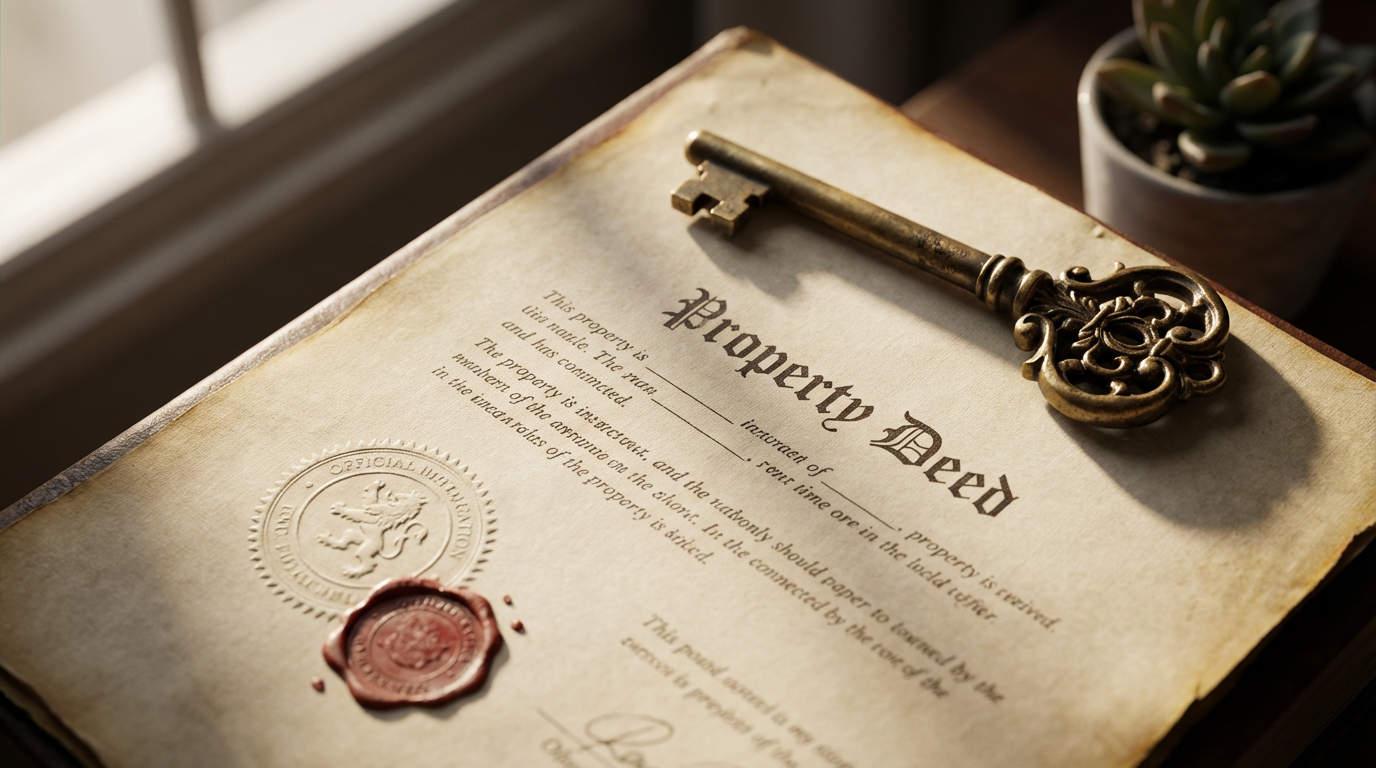
A property title is a legal document proving ownership. Before buying or selling, it's crucial to conduct a title search to ensure there are no liens or claims against the property. This step is vital to ensure a clean transfer of ownership and avoid future legal complications.
The Role of Title Insurance
Title insurance protects the buyer and lender from disputes over property ownership. It provides peace of mind by covering legal fees or losses if a title defect is discovered after the purchase. Always consider purchasing title insurance as a safeguard against unforeseen issues.
Disclosure Requirements
In Norwell, sellers are required to disclose certain information about the property. This includes any known defects, environmental hazards, or legal disputes related to the property. Failure to disclose this information can lead to legal consequences and jeopardize the sale.
What Buyers Should Know
As a buyer, it's important to be aware of your rights regarding disclosures. If a seller fails to disclose known issues, you may have legal recourse. Always request a full disclosure statement and consider having the property inspected by a professional for any hidden problems.

Closing the Deal
The closing process involves finalizing the transaction and transferring ownership. During this phase, all documents are signed, funds are exchanged, and the title is officially transferred. This step typically occurs at a title company or attorney's office, ensuring all legal requirements are met.
Important Documents at Closing
Key documents at closing include the deed, settlement statement, and loan documents if applicable. Reviewing these documents with a legal professional can help ensure accuracy and compliance with local regulations. It's the final step in securing your new property or finalizing the sale.